
There's a moment in my studio I keep coming back to: standing in front of a large canvas, palette knife in hand, building up layers of ochre and terracotta until the surface catches the light in ways a flat print never could. That feeling — of depth, of something real — is exactly what people are craving in their homes right now.
The Rise of Tactile Art
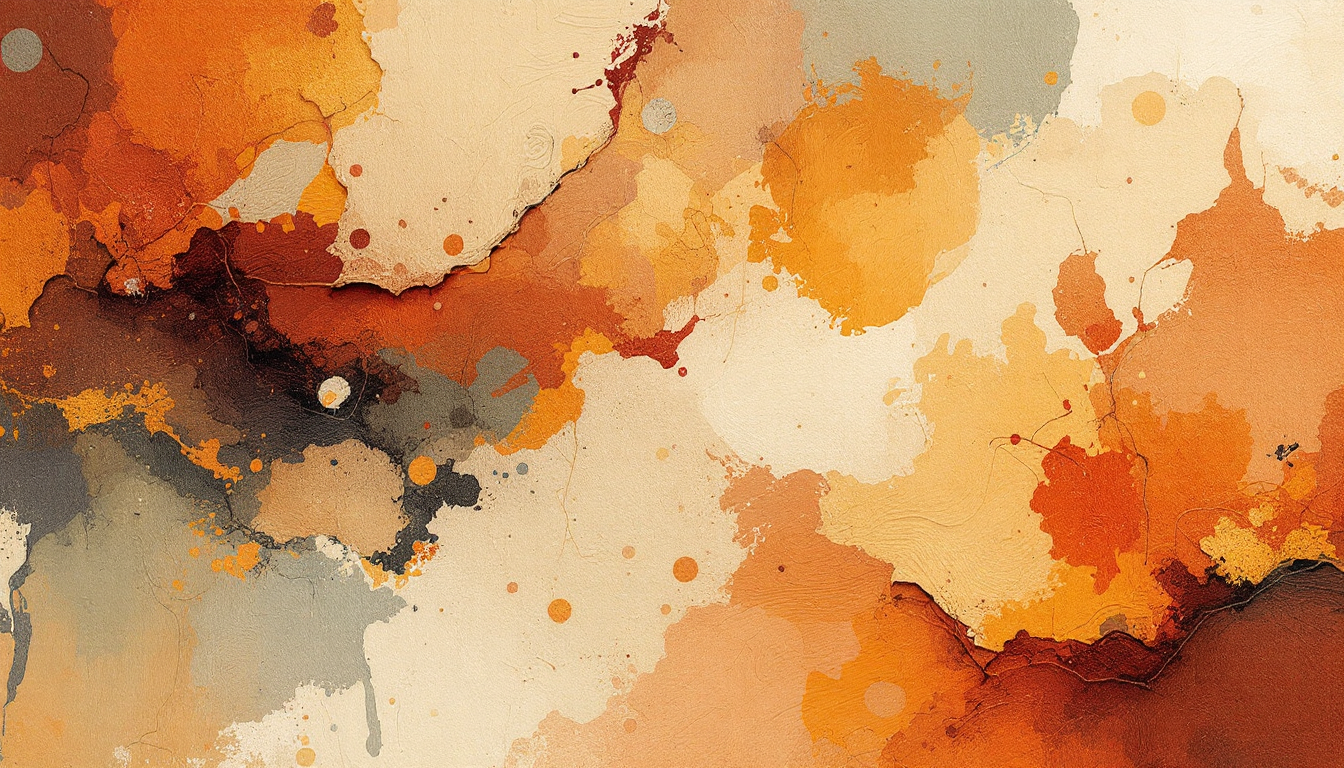
After years of sleek minimalism and mass-produced prints, the interior world is shifting. Flat is fading. Texture is everything. Designers and art collectors alike are gravitating toward work you don't just see — you want to touch. Thick impasto layers, mixed media with natural materials, sculptural surfaces that cast shadows as daylight moves across a room.
This shift reflects something deeper: a move away from the generic toward the authentic. People no longer want the same framed poster hanging in a thousand living rooms. They want something with a story, something made by hand.
Why Texture Speaks to Us
There's science behind our craving for texture. In an increasingly digital world — smooth screens, flat interfaces — our brains hunger for the tangible. Neuroscientists call it haptic hunger: our minds respond more strongly to materials with depth and dimension. A painting with visible brushstrokes activates not just your visual cortex, but the part of your brain that processes touch.
In my own practice, the most textured pieces always find homes first. People stand before them and instinctively reach out — that response is primal, not learned.
How to Bring Texture Into Your Space
You don't need a gallery budget to introduce tactile art at home. Here are some practical starting points:
Lead with one statement piece. A single large-scale textured work above your sofa or in an entryway creates more impact than a dozen small prints. Choose warm earth tones — terracotta, ochre, sage — that align with this season's colour palette.
Layer your materials. Pair a painted canvas with a woven wall hanging or a ceramic sculpture. That interplay of surfaces creates the same richness you experience in curated gallery spaces.
Think about light. Textured art thrives with side lighting. Position your piece near a window or use a directional spotlight that emphasises the relief and shadow play.
Permission to Feel
Art was never meant to stay at arm's length. The most compelling interiors of 2026 are spaces that greet you with warmth, depth, and an invitation to come closer. That's what tactile art does — it turns your home into a place that holds you.
Curious how textured art could transform your space? Explore my latest collection or reach out for a personal consultation.