Last week, a woman spent an hour in my studio walking back and forth between two canvases. "I don't know what I like," she said. I told her: "You do. You just haven't given yourself permission to trust it yet."
The Problem with 'Beautiful'
Most people think buying art starts with the question: do I find this beautiful? But 'beautiful' is a loaded word. It carries the weight of interior trends, social expectations, and what you think you should like. The better question is: what does this do to me? Which piece pulls my gaze and refuses to let go?
The 2026 art market backs you up on this. Seventy percent of growth in the affordable art segment is driven by buyers purchasing directly from artists, motivated by personal connection rather than investment logic. The days of buying art to impress are giving way to buying art to feel.
Slow Art: Looking as Practice
There is a movement called slow art, and the idea is almost suspiciously simple: stand in front of an artwork and look. Not for thirty seconds, but for five minutes. No phone, no judgment. You will find the work opens up. Colours you missed at first glance surface. The texture tells its story. The composition starts to breathe.
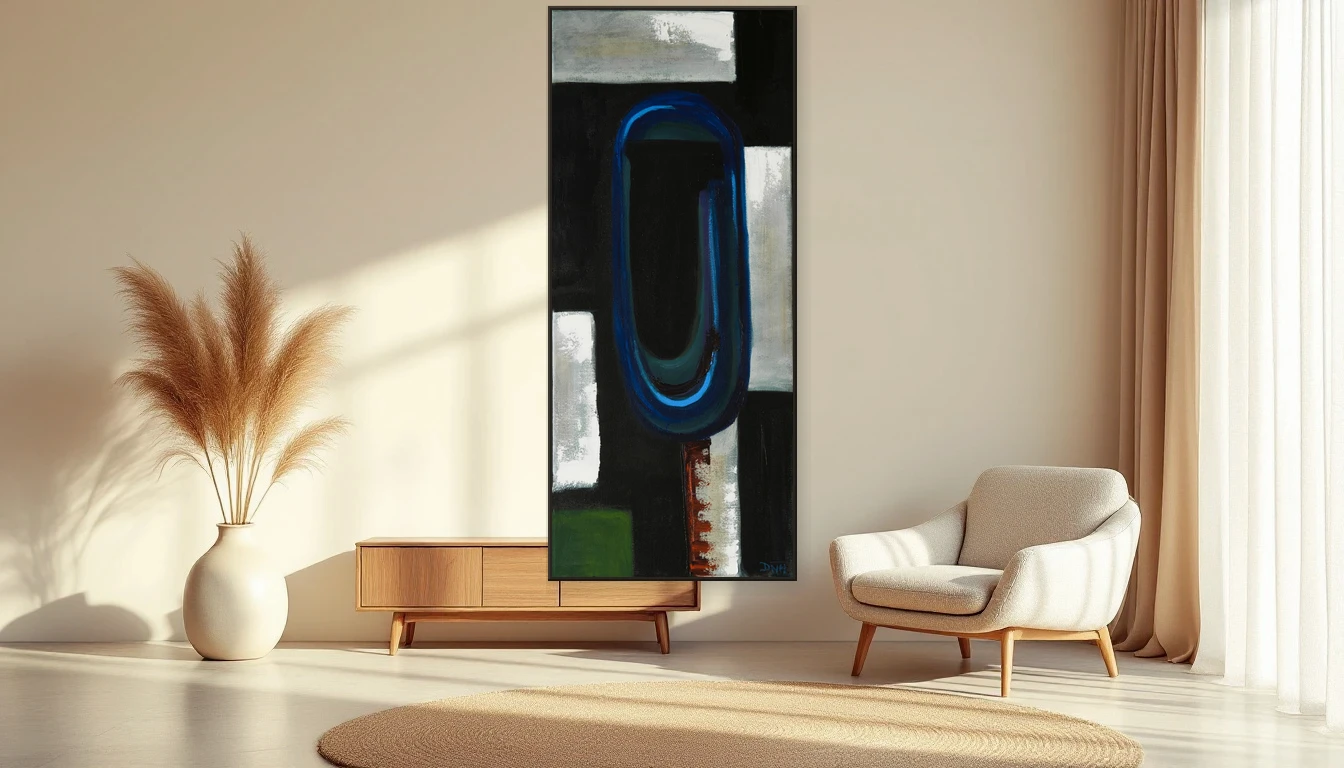
This is exactly how I advise my clients to choose art. Not during a hurried scroll on a phone screen, but through genuine looking. In a gallery, at an open studio, or yes — online too, if you take the time to zoom in, study the details, and imagine how the light at home would fall across the surface.
Why Original Matters
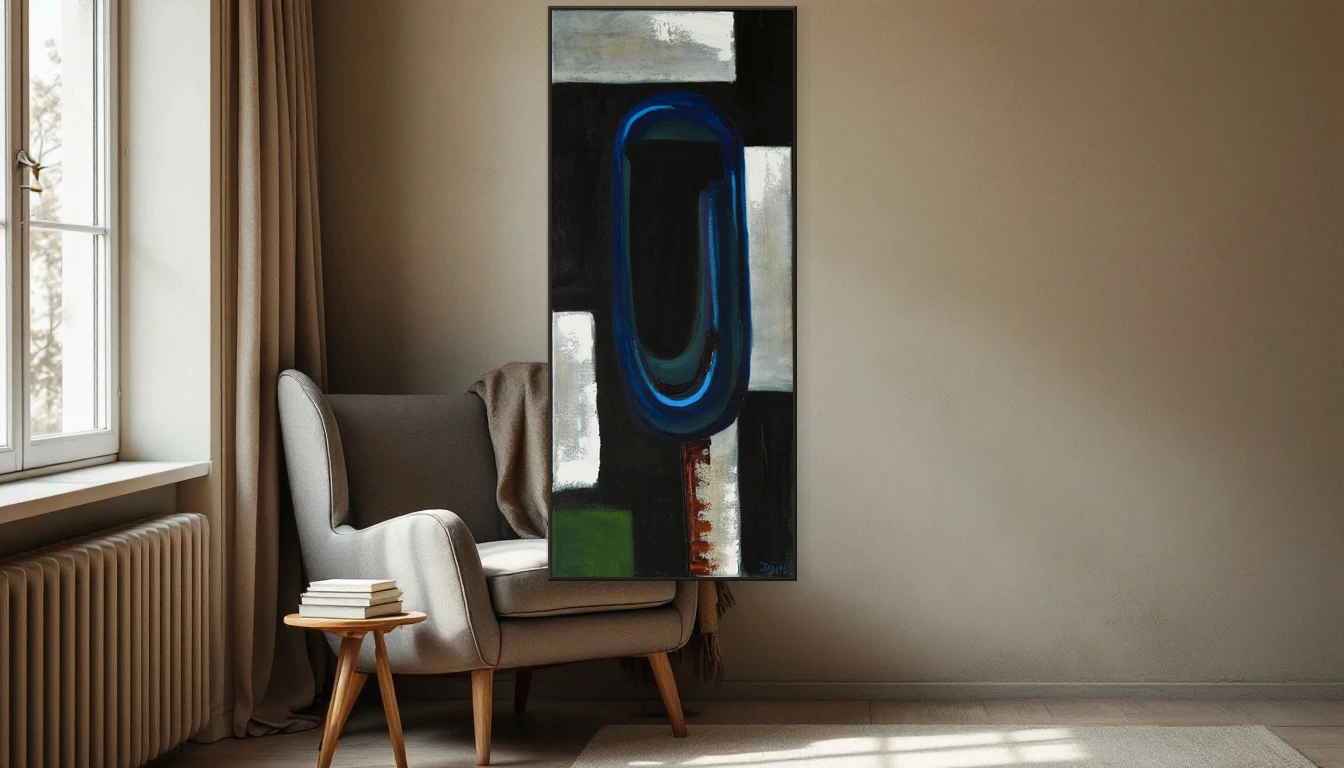
A print is a perfectly fine starting point, but something different happens when you stand before an original painting. You see the brushstrokes, the layers of paint built up over hours, sometimes a correction the artist chose to leave visible. That is not imperfection — it is proof of a human hand in a world increasingly shaped by algorithms.
In 2026, demand for handmade work is stronger than ever. Auction houses report forty percent increases in contemporary abstract art sales. But you do not need auction prices. The most meaningful finds happen at artists' studios — where you hear the story behind the work, smell the paint, and know that what you are buying belongs to no one else.
Three Questions That Help
When you feel stuck, ask yourself three things. First: do I keep looking? If your eyes return to the same piece again and again, that is your answer. Second: can I imagine this in my daily life? Not as a showpiece, but as a companion — something there when you reach for your morning coffee. Third: do I feel something? Not think — feel. That quiet spark of recognition you cannot explain but also cannot ignore.
The Painting Chooses You
I say it often and I mean it: in the end, the painting chooses you. Your only task is to stay open. Stop searching for the perfect work and start looking at what moves you. The rest follows.
Ready to look? Take your time with the DNH collection — and discover which piece is waiting for you.