The quiet between the colours
The other day I walked into my studio after one of those mornings where everything felt too much. Too many screens, too many messages, too many voices demanding attention. I sat on the floor and just looked at the painting on my easel. Not to work — just to be with it. Ten minutes later, my breathing had slowed. The noise in my head had gone quiet.
That is not imagination. That is science.
Why your brain responds to art
A growing body of research shows that looking at art produces measurable effects on body and mind. A recent meta-analysis found that art therapy leads to significant improvements in anxiety, depression, and fatigue. But you do not need a therapist's office to experience this — a painting on your wall already shifts something.
When you look at abstract art, your brain works harder than it does with a photograph or realistic image. It searches for patterns, interprets colours, creates meaning. That process — actively looking without expecting an immediate answer — puts you in a state psychologists call mindful attention. You are present, without judging.
The language of colour
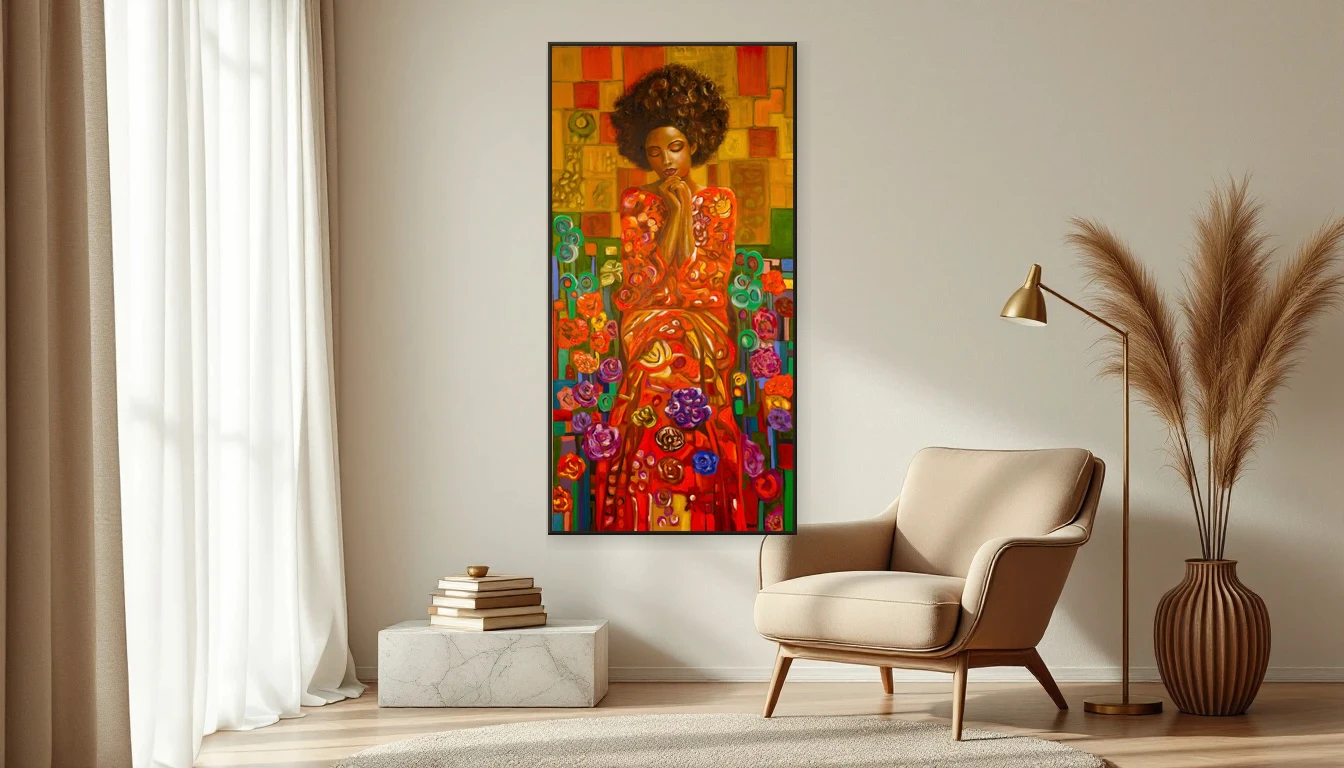
Colour is not decoration. Colour is a language that speaks directly to your nervous system.
Blue slows your heart rate and lowers blood pressure — it is the colour of mental rest. Green brings balance and renewal, which is why interior designers in 2026 are choosing dusty sage and celadon for bedrooms and workspaces. Warm tones like gold and terracotta do the opposite: they activate, giving you a sense of warmth and energy simultaneously.
This season's standout shade, Transformative Teal, combines the best of both worlds: the calm of blue with the vitality of green. It is a colour that stands for resilience — and that is precisely what we need.
Your home as a healing space
The idea that your environment affects your wellbeing is not new, but the science behind it grows more compelling every year. Colour psychology shows that the right hues in your interior can reduce stress, sharpen focus, and regulate mood.
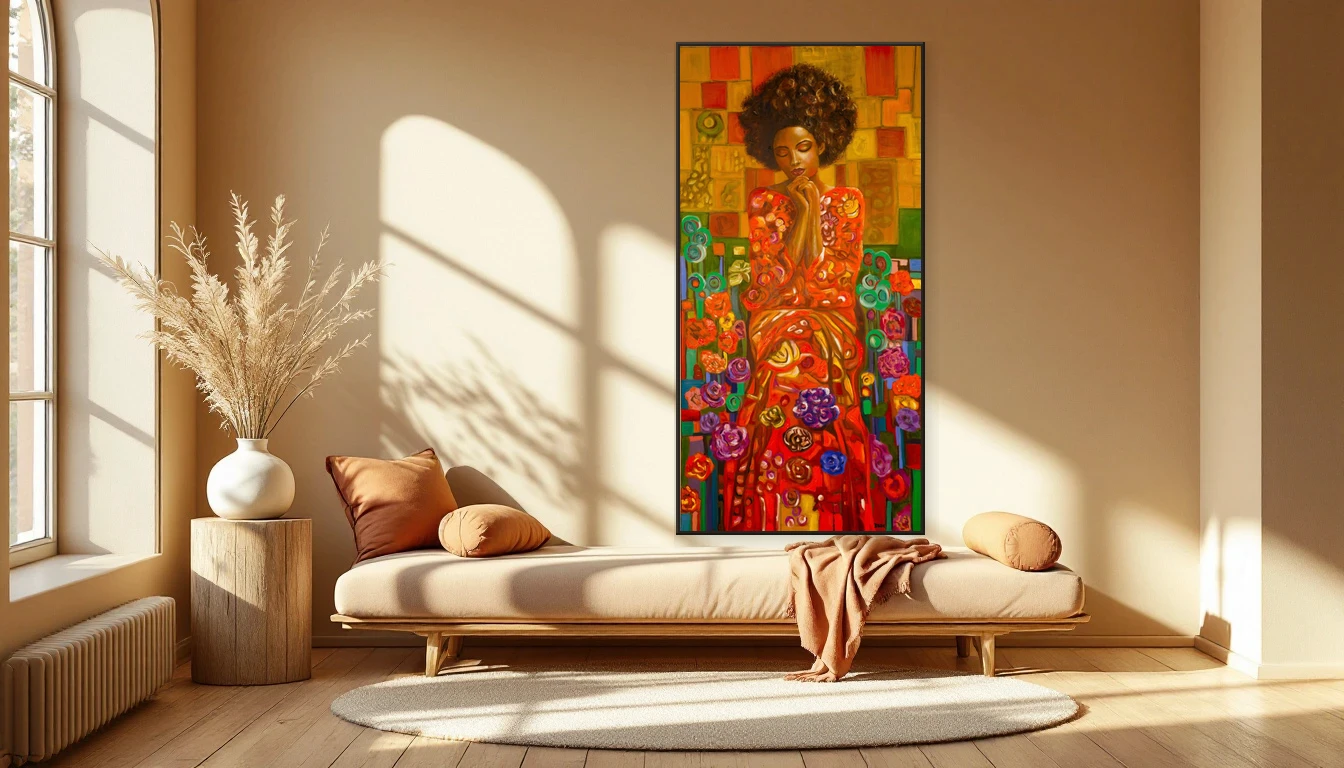
But it is not just about paint on the wall. A painting adds something that a coat of paint cannot: story, depth, human touch. When you hang an original artwork in your home — with visible brushstrokes, layers of paint, texture you want to reach out and feel — you create an anchor point. A place your eyes can go when everything moves too fast.
The art of standing still
In my own studio I notice it every day. Painting puts me in a flow state: that mental space where time dissolves, worries fade, and everything aligns. Research confirms that people who experience flow regularly — whether by making art or looking at it — are better at regulating their emotions.
This is not a luxury. It is fundamental self-care.
Give yourself colour
Summer is the perfect time to start paying attention to this. The longer light changes how colours behave in your home — warm tones deepen, cool tones soften. Hang a work where you pass it every day. Choose not with your head, but with your gut. Which colours draw you in? Which piece makes you pause?
Browse the DNH Artful Living collection and feel which work speaks to you. Or book a workshop and discover what it feels like to use colour as medicine yourself.