
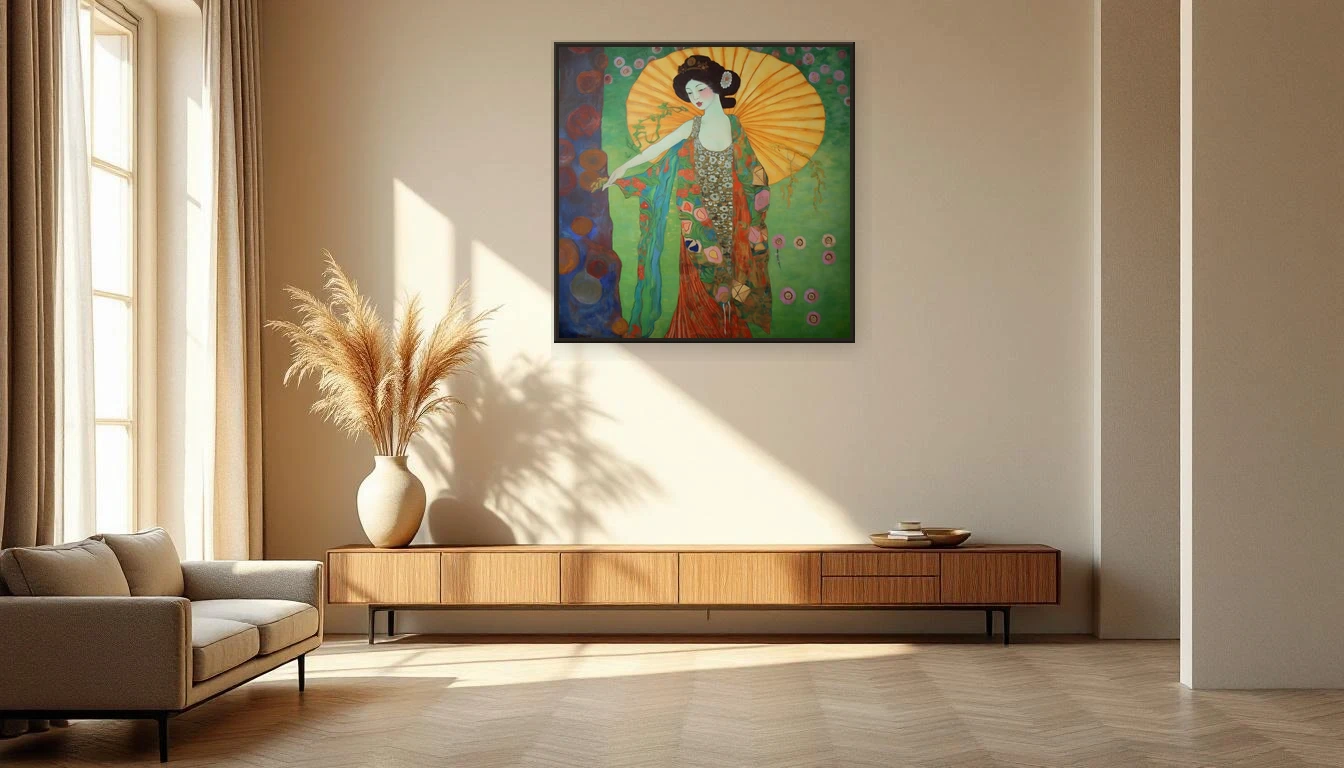
There's a moment in my studio that never gets old. A painting is almost finished, and I lean in — not to check composition or colour, but to trace the surface with my eyes. The ridges where the palette knife caught the paint. The places where gold leaf crinkles against raw canvas. That topography of decisions is what makes a painting breathe.
We live so much of our lives on flat glass now. Scrolling, swiping, tapping. So when someone walks into a room and their eyes catch on a painting that has actual depth — layers you can see shifting in the afternoon light — something clicks. That's the power of texture in art, and it's having a major moment.
Why tactile art is defining 2026
Interior designers across Europe are calling it the year of 'tactile authenticity.' After a decade of clean minimalism and screen-dominated living, there's a collective hunger for surfaces that tell stories. Impasto techniques — those thick, expressive paint strokes that cast their own shadows — are everywhere, from Amsterdam lofts to Mediterranean villas.
Mixed media is pushing boundaries even further. Artists are incorporating gold leaf, sand, fabric, and plaster into their work, creating pieces that exist somewhere between painting and sculpture. The result is art that doesn't just hang on a wall — it inhabits it.
How texture transforms a room
A flat print adds colour. A textured original adds a whole dimension. It plays with light throughout the day, looking different at dawn than at dusk. It invites you to step closer, to wonder how it was made. It turns your wall from a backdrop into an experience.
Bringing texture into your home
You don't need an art history degree to recognise texture that speaks to you. Here's what to look for:
Relief and depth — Look for built-up layers. Impasto techniques give a painting an almost sculptural quality. The thicker the paint, the more dramatically it interacts with the light in your specific room.
Mixed materials — Works that incorporate gold, silver, textile, or natural elements add a richness that a flat canvas simply cannot offer. In my own mixed media pieces, I often combine unexpected materials to achieve a layered complexity that rewards closer inspection.
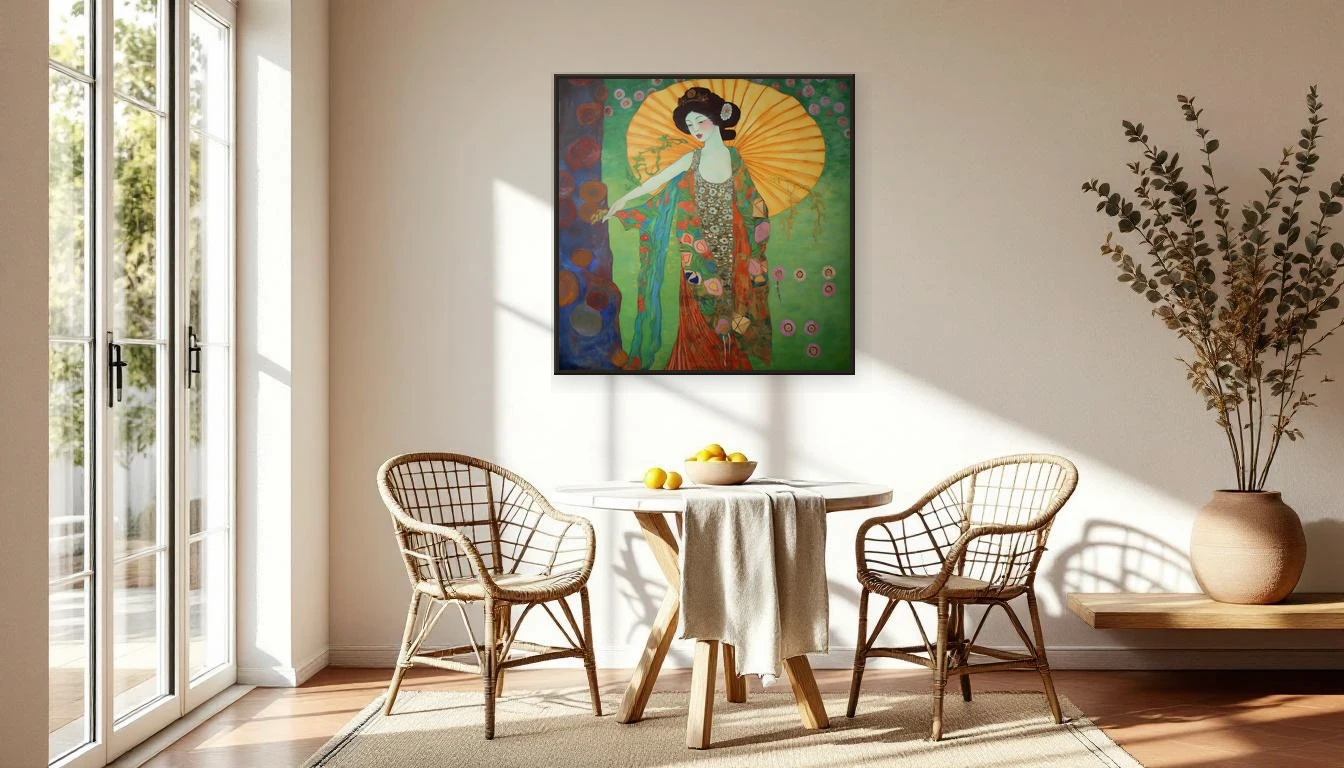
Contrast with your space — Textured art works best against a relatively calm backdrop. A clean, light wall lets the complexity of the work truly shine. Pair it with natural materials in your furniture — linen, wood, stone — and you create a space that feels warm, lived-in, and deeply personal.
The meditative process behind the layers
What I love most about working with texture is that every piece sets its own pace. You cannot rush impasto — paint needs to dry, layers need building. There's a meditation in that process that shows in the final result. Each layer carries the energy of the moment it was applied.
That's also why an original textured work feels so different from a print. You can see the artist's hand, the decisions, the moments of doubt and daring. It's a piece of humanity on your wall — and in an era of AI and algorithms, that might be the most valuable thing art has to offer.
An invitation to look closer
I believe art doesn't just need to be beautiful — it should challenge you to look more carefully. Texture does exactly that. It says: come closer, take your time, look again.
Curious how tactile art could transform your interior? Explore the Mixed Media collection or get in touch for personalised advice. I'd love to help you find a piece that doesn't just fit your wall, but fits who you are.