
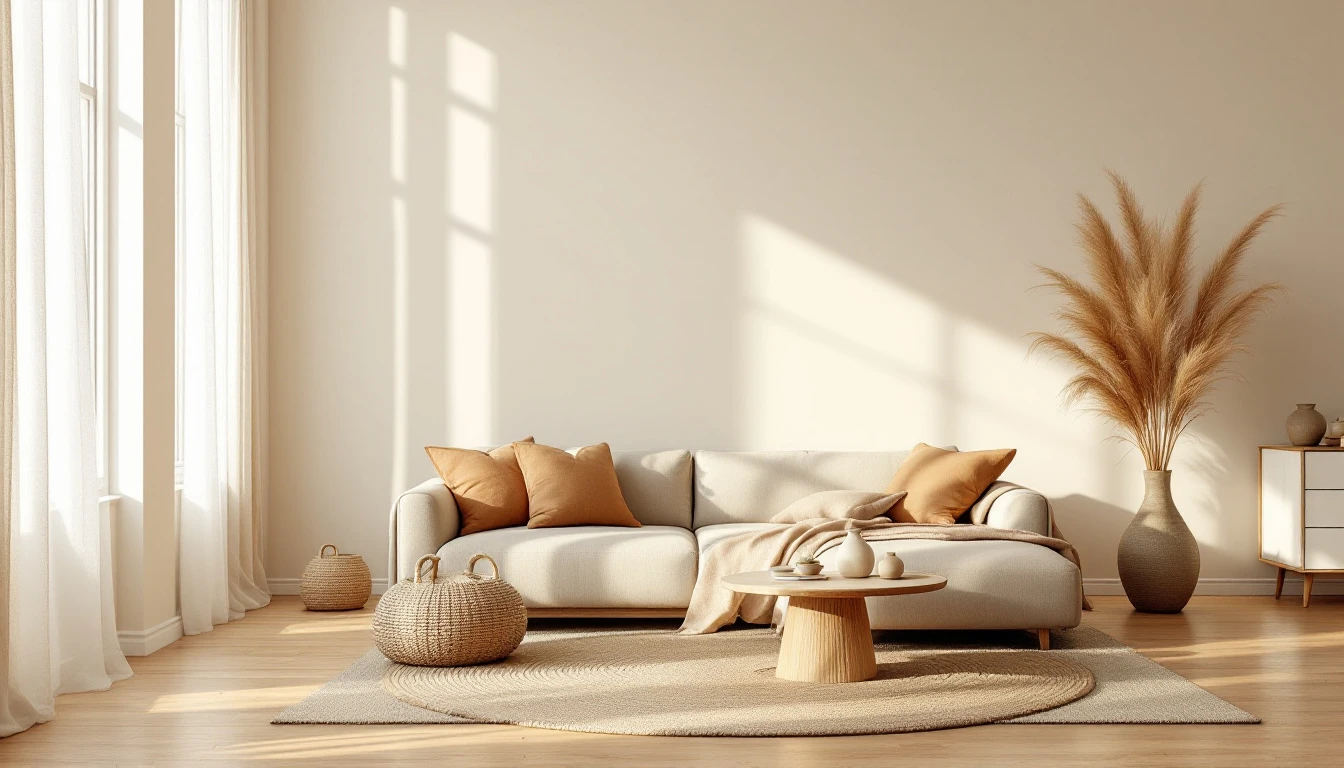
I was standing in my studio last week, looking at a canvas still wet with paint, and it struck me how many deliberate choices go into a single piece. The linen, the pigments, the hours. Every layer is a decision. And increasingly, I notice the people who buy art are bringing that same intentionality to what they hang on their walls.
A Quiet Shift in How We Collect
Something is changing in the way we think about art at home. For years, the default was fast and cheap — order a mass-produced print online, stick it on the wall, replace it next season. But a counter-movement is gaining ground. According to the Art Basel and UBS Market Report, one in three new collectors worldwide now actively seeks out work made responsibly. Not because they have to, but because they want meaning on their walls, not just colour.
What Makes Art Sustainable, Exactly?
Sustainable art is more than materials. It starts with intention — choosing natural pigments, responsibly sourced canvases, and non-toxic processes. But it also extends to how you buy: directly from the artist, locally produced, and made to last generations rather than a single trend cycle. In a world of disposable everything, that kind of permanence feels almost radical.
The Power of Buying Local
A painting made in a nearby studio carries a story no print can match. You know the hand that made it, the inspiration behind it, perhaps even the smell of the studio. In 2026, there is a growing appreciation for artisanal work that supports communities and keeps traditional craft techniques alive. More and more, people visit my atelier not just to browse, but to feel the process.
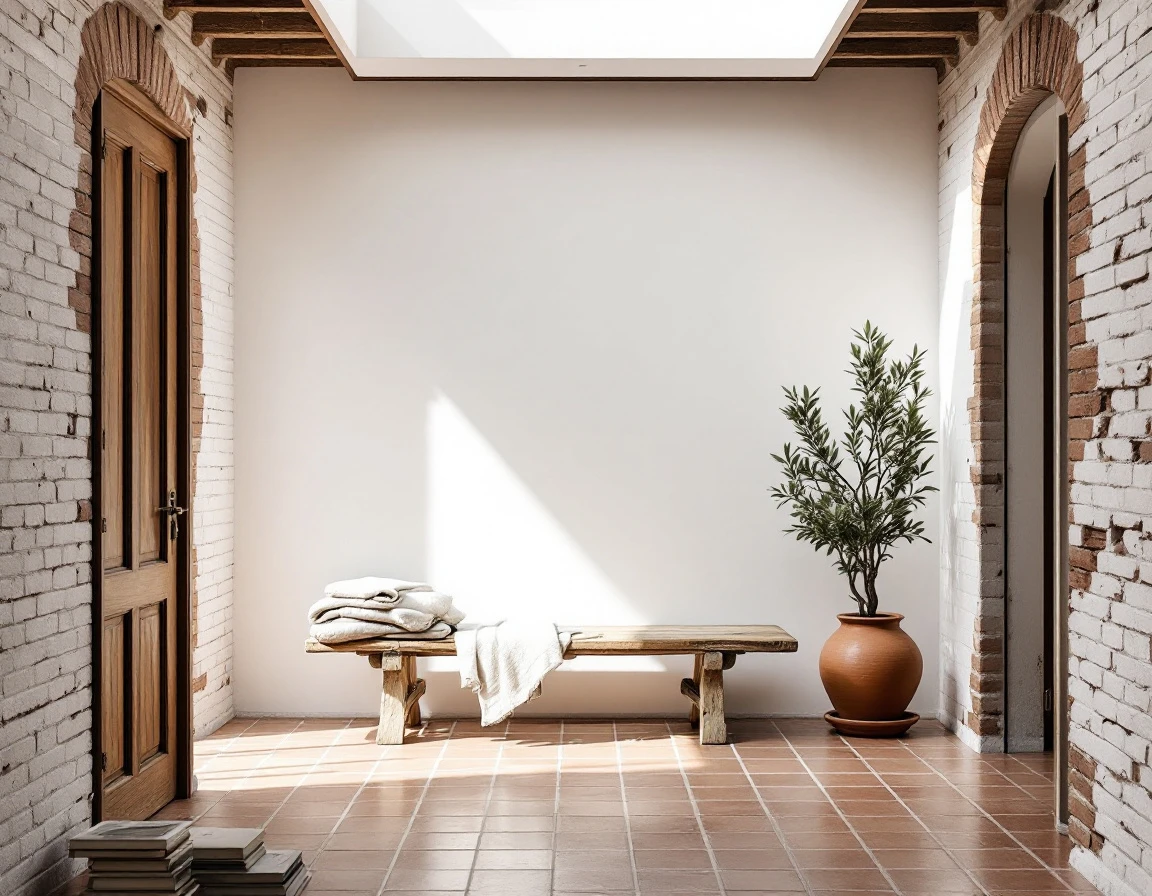
Your Wall Deserves Better Than Fast Art
We have long understood the problems with fast fashion. Fast art deserves the same scrutiny. Mass-produced prints on thin canvas that fade within two years and end up in landfill. An original work or a high-quality print on responsibly sourced material is an investment that holds its value — both financially and emotionally. Recent surveys show sixty percent of buyers now prefer sustainable interiors over cheap and fast.
Natural Materials, Honest Colours
More artists are working with pigments from nature — botanical extracts, minerals, earth. Those colours carry a warmth and depth that synthetic paint simply cannot replicate. In my own work, I notice how natural tones make a room breathe differently: softer, more grounded, as though the painting belongs to the space rather than being placed upon it.
The Feeling of a Good Story
There is something irreplaceable about unwrapping an artwork whose story you know. The journey from studio to your wall — that satisfaction is something no algorithm can reproduce. It is the knowledge that your choice sustains something worth sustaining: a craft, a tradition, a way of making that matters.
Less Buying, Better Choosing
Conscious collecting does not mean filling every wall. Quite the opposite. One work that truly moves you, that you want to look at again every morning, is worth more than ten prints you stop noticing after a month. Quality over quantity — a principle that serves both your home and the planet.
Art as a Mirror of Your Values
What hangs on your wall says something about who you are. More people are choosing interiors that reflect their values: authenticity, craftsmanship, respect for the world around us. A consciously chosen artwork becomes more than decoration — it becomes a statement about how you want to live.
Start Small, Choose Well
Begin with one piece. Visit local artists, ask about their materials and process, and choose work that genuinely speaks to you rather than what merely matches. Step into a studio, talk to the maker, and discover the story behind the work. At DNH Artful Living, every piece is made with care and intention — from the first brushstroke to the moment it reaches your wall. Explore the collection and find a work that feels like yours.